
What Readers Are Saying
Book Reviews
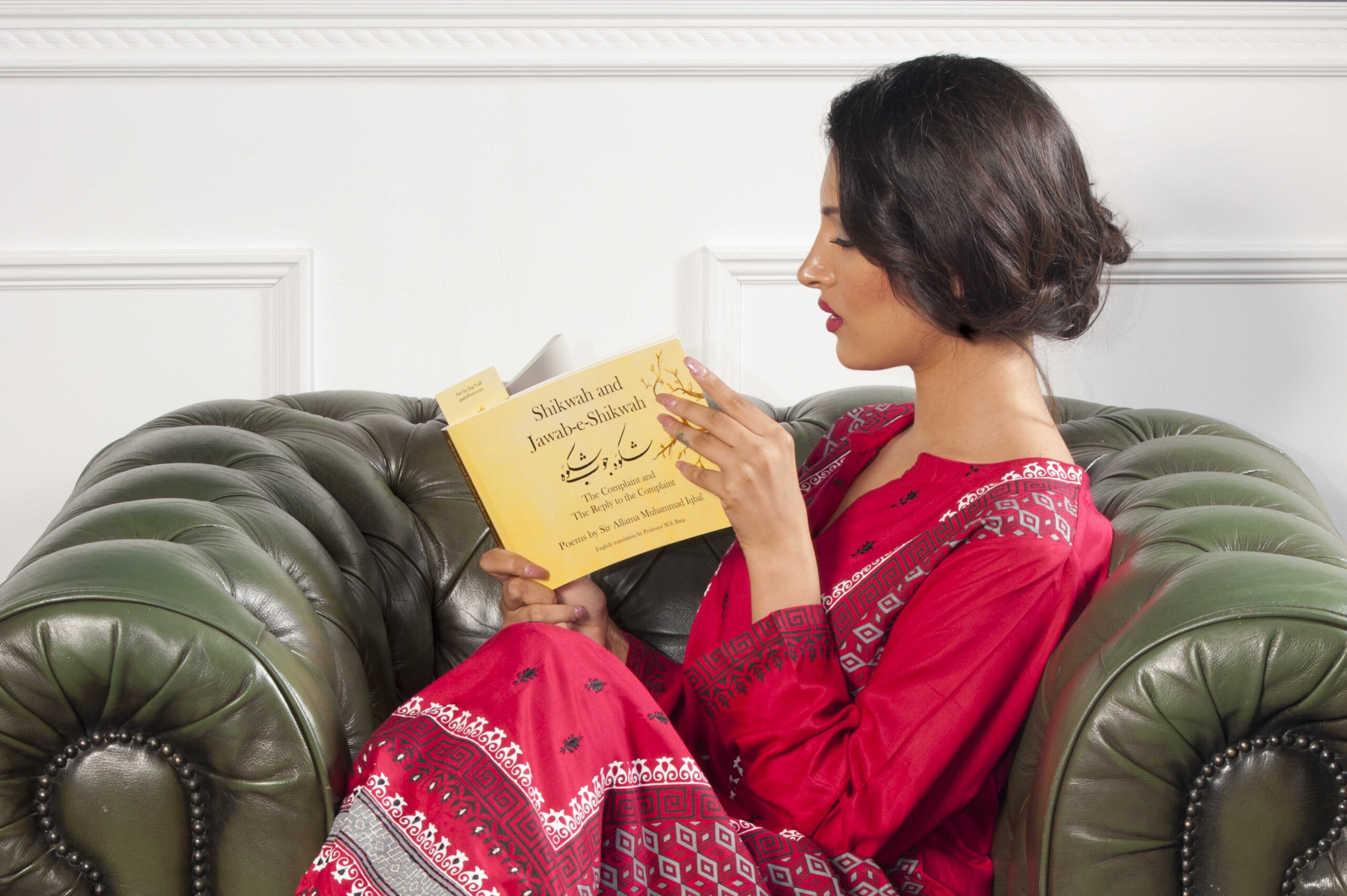
Maryam Jillani@MaryamJillani
One of the most powerful poetic dialogues in Urdu literature, Shikwah and Jawab-e-Shikwah remain timeless reflections on faith, identity, decline, and spiritual awakening. In Shikwah (“The Complaint”), Allama Iqbal passionately questions the condition of the Muslim world and expresses sorrow over its downfall despite its historical sacrifices and achievements. In Jawab-e-Shikwah (“The Reply to the Complaint”), the response shifts inward, reminding humanity that true transformation begins with sincerity, faith, action, and moral responsibility. Together, the poems form a profound conversation between the seeker and the Divine. Iqbal’s language is emotionally charged, intellectually rich, and spiritually uplifting. The themes of self-realization, dignity, and revival continue to resonate deeply with readers across generations. This work is not only poetry but a philosophical and spiritual call toward renewal and purpose.
Noah Smith@Noah Smith
A thoughtful and compassionate exploration of the spiritual and ethical teachings of Islam, this book reminds readers of the Prophet Muhammad’s message of mercy, kindness, and coexistence. Shaykh Faid Mohammed Said draws extensively upon the Qur’an and Hadith to present Islam not merely as a religion of rituals, but as a living tradition rooted in humanity, dignity, and compassion. The author’s writing is calm, reflective, and accessible, making complex spiritual ideas approachable for modern readers. Particularly powerful is the emphasis on cultural memory and the preservation of authentic Islamic values in a rapidly changing world. This work is ideal for readers seeking a deeper understanding of Islam’s spiritual heart and its message of peace and universal humanity.
Hamid Mu@HamidMu
A beautifully written spiritual guide that combines reflection, faith, and practical wisdom, The River of Light encourages readers to reconnect with inner clarity and divine guidance. The metaphor of flowing light is used throughout the book to symbolise spiritual renewal, growth, and the continuous presence of divine mercy in everyday life.
The prose is meditative and uplifting, offering moments of stillness and contemplation in a fast-moving world. Shaykh Faid Mohammed Said successfully bridges classical Islamic spirituality with contemporary life, making the book both timeless and relevant. Readers looking for inspiration, personal growth, and spiritual calm will find this work deeply enriching and comforting.
Tarun Gill@TarunGill
This reflective work presents Ramadan as more than a month of fasting — it is portrayed as a transformative journey of self-purification, gratitude, and spiritual awakening. The author gently guides readers toward mindfulness, discipline, and emotional clarity while emphasising the deeper values that extend beyond hunger and ritual. The book’s greatest strength lies in its sincerity and warmth. Rather than focusing solely on religious obligations, it encourages readers to examine habits, intentions, and relationships with compassion and honesty. Written in a calm and introspective tone, the book offers encouragement for anyone seeking spiritual renewal and a more meaningful connection with faith during Ramadan.
Abdul Rehman@Abdul
Hunna London Diaries offers a reflective and thoughtful glimpse into life, culture, spirituality, and identity within the modern urban experience. Set against the backdrop of London’s diverse social landscape, the book captures moments of personal reflection, human connection, and spiritual awareness with warmth and sincerity. Shaykh Faid Mohammed Said blends contemporary experiences with deeper moral and spiritual insights, creating a narrative that feels both intimate and universally relatable. The writing carries a calm and observant tone, encouraging readers to pause and reflect on the meaning of belonging, faith, and everyday human interaction in a rapidly changing world. The book stands out for its balance between cultural observation and inner reflection, making it appealing to readers interested in modern Muslim identity, personal growth, and thoughtful storytelling. It is a gentle yet meaningful work that invites contemplation while celebrating diversity, humanity, and shared experience.